A home should feel comfortable no matter the season, yet many people notice something is not quite right with their indoor environment. Perhaps certain rooms feel colder than others during cooler months, or the air inside becomes unusually warm even when cooling systems are running. These small signs often go unnoticed at first, but they can point to a much larger issue hidden behind walls and ceilings.
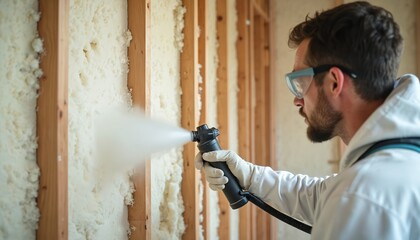
Houston Insulation plays a crucial role in maintaining indoor comfort and controlling how heat moves in and out of a home. When insulation begins to wear down or becomes insufficient, it loses its ability to create an effective barrier between the indoor space and the outside environment. This can lead to temperature inconsistencies, higher energy use, and reduced overall comfort.
Understanding the signs that indicate insulation problems can help homeowners address the issue before it becomes more costly. Recognizing these warning signals makes it easier to determine when it may be time to upgrade or replace insulation.
Why Insulation Is Essential for a Home
Insulation serves as a protective layer that helps regulate indoor temperature. It slows the transfer of heat between the inside and outside of a structure. During colder periods insulation helps keep warm air inside the home, while during warmer months it helps prevent outdoor heat from entering.
Without adequate insulation, a home becomes vulnerable to rapid temperature changes. Heating and cooling systems must work harder to maintain comfort levels because the conditioned air escapes more quickly. This increased workload often results in higher energy use and additional strain on equipment.
Insulation also contributes to other aspects of indoor comfort. It helps reduce noise transfer between rooms and can improve indoor air conditions by limiting drafts and unwanted airflow. A well insulated home generally maintains more stable temperatures throughout the day.
When insulation begins to deteriorate or becomes insufficient for the size of the home, these benefits gradually diminish.
Uneven Indoor Temperatures
One of the most common indicators that a home may need new insulation is uneven temperature distribution. Some rooms may feel significantly warmer or colder than others even though the heating or cooling system is operating normally.
This imbalance often occurs when insulation coverage is inconsistent. Areas with thin or damaged insulation allow heat to pass through more easily. As a result certain sections of the home struggle to maintain the same temperature as the rest of the living space.
Attics and exterior walls are especially vulnerable to this problem. If these areas are poorly insulated, heat can escape quickly during cooler seasons and enter rapidly during warmer conditions.
Homeowners may also notice that floors feel unusually cold during cooler weather. This can indicate insufficient insulation beneath the flooring or within nearby structural spaces.
Consistent temperature differences between rooms should not be ignored, as they often reveal underlying insulation issues.
Rising Energy Use Without Clear Explanation
A noticeable increase in energy use can also signal that insulation is no longer performing effectively. When insulation weakens, heating and cooling systems must operate longer in order to maintain the desired indoor temperature.
Many homeowners initially assume that higher energy use is caused by aging equipment or seasonal weather changes. While these factors can contribute to increased energy use, deteriorating insulation is frequently an overlooked cause.
When heat escapes through poorly insulated walls or ceilings, heating systems must continually replace the lost warmth. During warmer months cooling systems face the opposite challenge as outside heat penetrates the building envelope.
Over time this constant struggle can result in significantly higher energy use. If no other major changes have occurred in the home, outdated insulation may be responsible.
Monitoring energy consumption patterns can help reveal whether insulation performance has declined.
Drafts and Air Leaks Inside the Home
Another sign that insulation may need improvement is the presence of drafts or noticeable airflow inside the home. Even when windows and doors are closed, homeowners may feel cold air moving through certain areas of the house.
Drafts often occur when insulation is missing or has settled over time. These gaps allow outside air to enter and indoor air to escape. Attics, wall cavities, and spaces around structural openings are common locations where these air leaks develop.
Air leaks can also cause rooms to feel less comfortable despite the operation of heating or cooling systems. The constant movement of outside air disrupts the stable indoor temperature that insulation is designed to maintain.
If certain areas of the home feel breezy or difficult to keep warm during cooler months, it may indicate that insulation is no longer providing adequate coverage.
Addressing insulation gaps can help reduce these drafts and improve overall comfort.
Signs of Aging or Damaged Insulation
Insulation materials do not always remain effective indefinitely. Over time insulation can settle, compress, or become damaged due to moisture or environmental factors. These changes reduce its ability to trap air and slow heat transfer.
Homeowners who have access to their attic space may be able to visually inspect the insulation. If the material appears thin, uneven, or compacted, it may no longer provide sufficient thermal resistance.
Moisture exposure can also affect insulation performance. When insulation becomes damp it loses much of its insulating capability and may even contribute to structural concerns if the issue persists.
Another indicator of aging insulation is visible deterioration of the material. Crumbling or discolored insulation may suggest that the material has reached the end of its effective lifespan.
Recognizing these physical signs can help determine whether an insulation upgrade is necessary.
Comfort Issues During Seasonal Changes
Homes with inadequate insulation often struggle to maintain comfortable indoor conditions during seasonal transitions. During cooler months rooms may feel chilly even when heating systems are running consistently.
During warmer periods the opposite problem may occur. Indoor spaces can become uncomfortably warm despite active cooling systems. These fluctuations are often caused by insufficient insulation that allows outdoor temperatures to influence the interior environment.
Seasonal discomfort is especially noticeable in upper floors and attic adjacent spaces. Because heat rises, poorly insulated attic areas allow warmth to escape quickly during cooler periods. During warmer seasons attic heat can easily transfer into the rooms below.
If indoor comfort becomes difficult to maintain during seasonal changes, insulation performance may be a key factor.
Professional Insulation Assessment
When homeowners suspect that insulation may be inadequate, a professional inspection can provide valuable insight. Insulation specialists evaluate several aspects of the home to determine whether improvements are needed.
The assessment may involve checking insulation depth in the attic, examining wall cavities, and identifying areas where air leakage occurs. Specialists also evaluate whether the existing insulation meets recommended levels for the building structure.
In many cases the inspection reveals areas where insulation has settled or where additional material is needed to restore proper coverage.
Professional evaluation helps ensure that insulation improvements are targeted effectively. By identifying the areas that require attention, homeowners can address comfort issues while improving the overall efficiency of their home.
Benefits of Upgrading Home Insulation
Upgrading insulation can produce several noticeable improvements within a home. One of the most immediate benefits is enhanced indoor comfort. Proper insulation helps maintain stable temperatures throughout different rooms and reduces uncomfortable drafts.
Improved insulation can also support better energy performance. When heat transfer is reduced, heating and cooling systems operate more efficiently. This often leads to reduced energy use and improved system performance.
Another advantage is improved sound control within the home. Insulation materials help absorb sound waves, which can reduce noise transfer between different areas of the house.
Over time upgraded insulation can also help protect the structure by reducing the risk of moisture related issues that may arise from temperature imbalances.
These benefits contribute to a healthier and more comfortable indoor environment.
Conclusion
Recognizing when a home needs new insulation is an important step toward maintaining comfort and energy efficiency. Uneven temperatures, drafts, rising energy use, and visible insulation damage are all signs that the existing insulation may no longer be performing as intended.
Insulation plays a critical role in controlling how heat moves through a home. When this protective layer becomes worn or insufficient, the entire indoor environment can be affected. Heating and cooling systems must work harder, comfort levels decline, and energy use may increase.
By paying attention to these warning signs and considering professional evaluation when necessary, homeowners can determine whether an insulation upgrade is needed. Improving insulation can restore indoor comfort, support efficient energy use, and create a more balanced living environment for years to come.